📜 Early History of Dyer, Indiana
Around 1830, the first permanent white settlers arrived in what is now Northwest Indiana, a region that was then home to the Potawatomi Indians. These early settlers were primarily Prussian farmers, along with a small but vital mix of tradespeople, including carpenters, millers, masons, shoemakers, saloon keepers, and even a doctor.
The earliest known records referencing present-day Dyer date back to 1838, when the original State Line House was built facing the Sauk Trail—named for the Sauk Indians. The State Line House served as lodging for travelers heading to Chicago and later became an overnight stopping place for Union soldiers during the Civil War.
The town’s original plat is dated June 1, 1855, though it includes a note stating, “No doubt an error in date of record,” without offering a corrected date. This original plat identified streets such as Illinois, Indiana, Matteson, Calumet, Ross, Lake, East, and West, as well as the Joliet and Northern Indiana Railroads and the State Line itself. A later plat dated March 28, 1858, added Hart and Joliet Streets, further shaping the growing community.
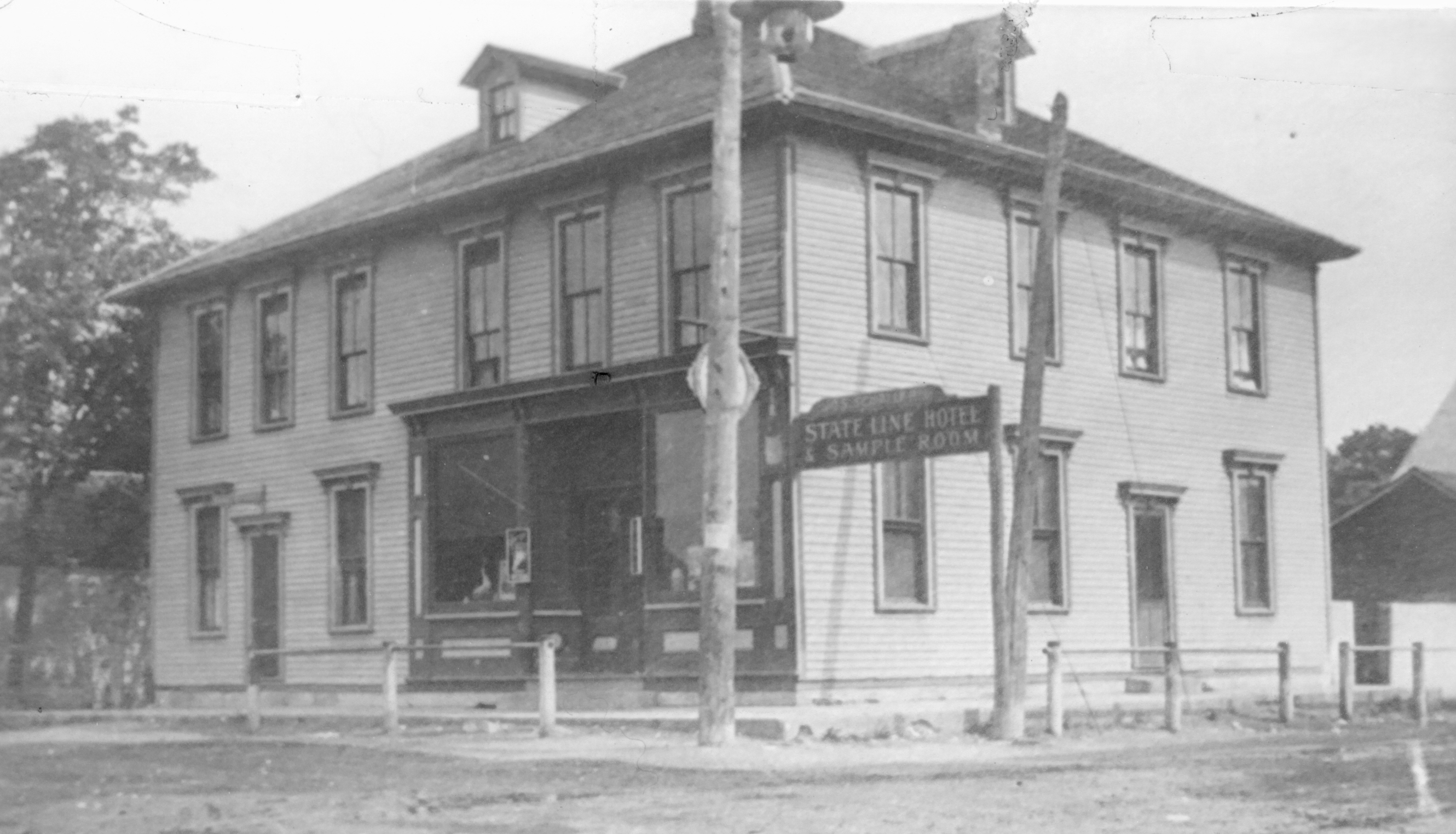
Stateline Hotel
Business Ventures to Dyer
A gentleman by the name of John Streets built the first business in the area in 1856. Mr. Wolcott built the second store, with the third business being built by F.L. Keilman and Leonard Keilman, in 1858.
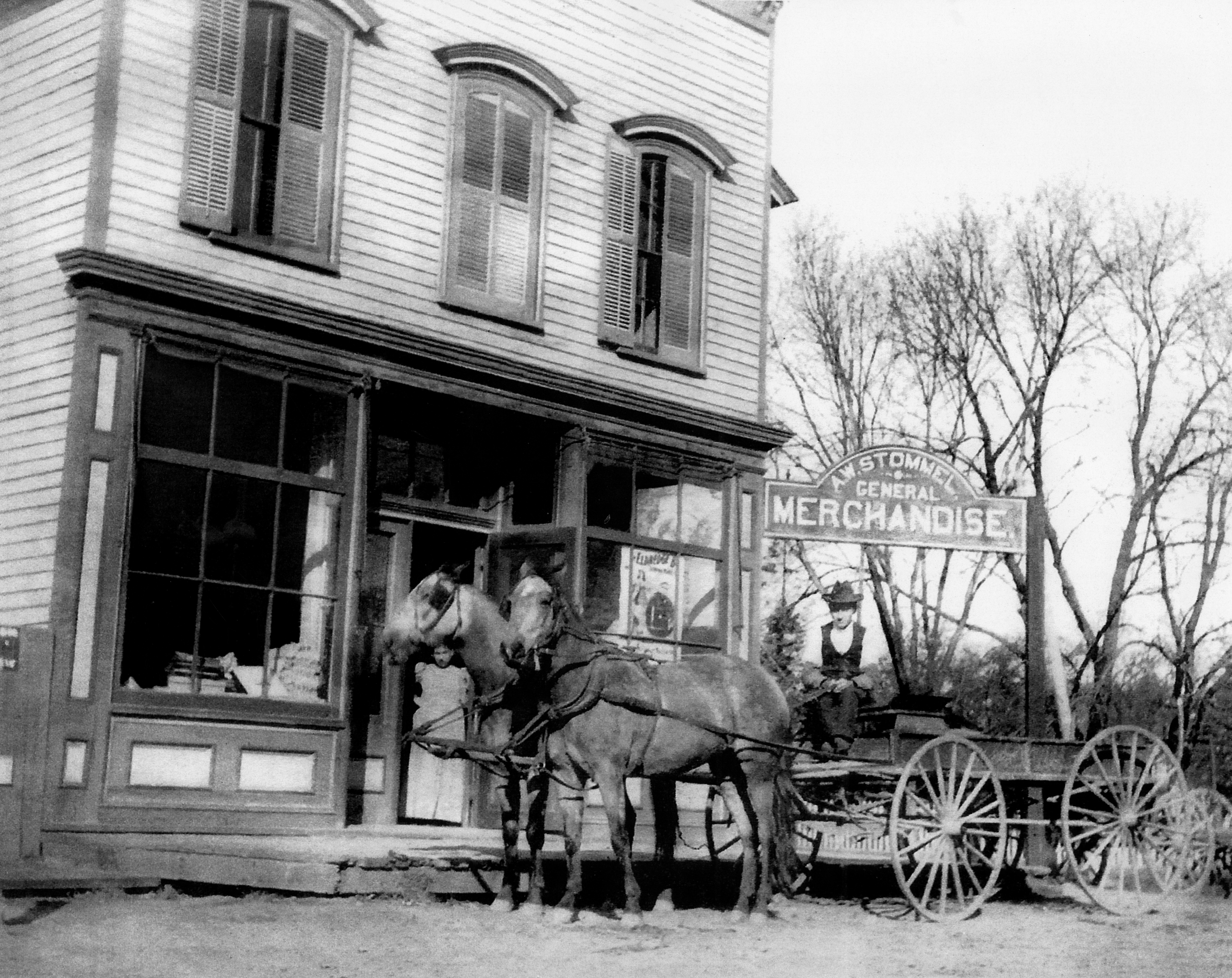
The Cheap Store
In 1857, the Michigan Central Railroad established a station at Dyer, and built a grain elevator nearby. A few years later the Monon Railroad ran a north-south line through the town, and the Elgin, Joliet and Eastern Railway built an east-west route.
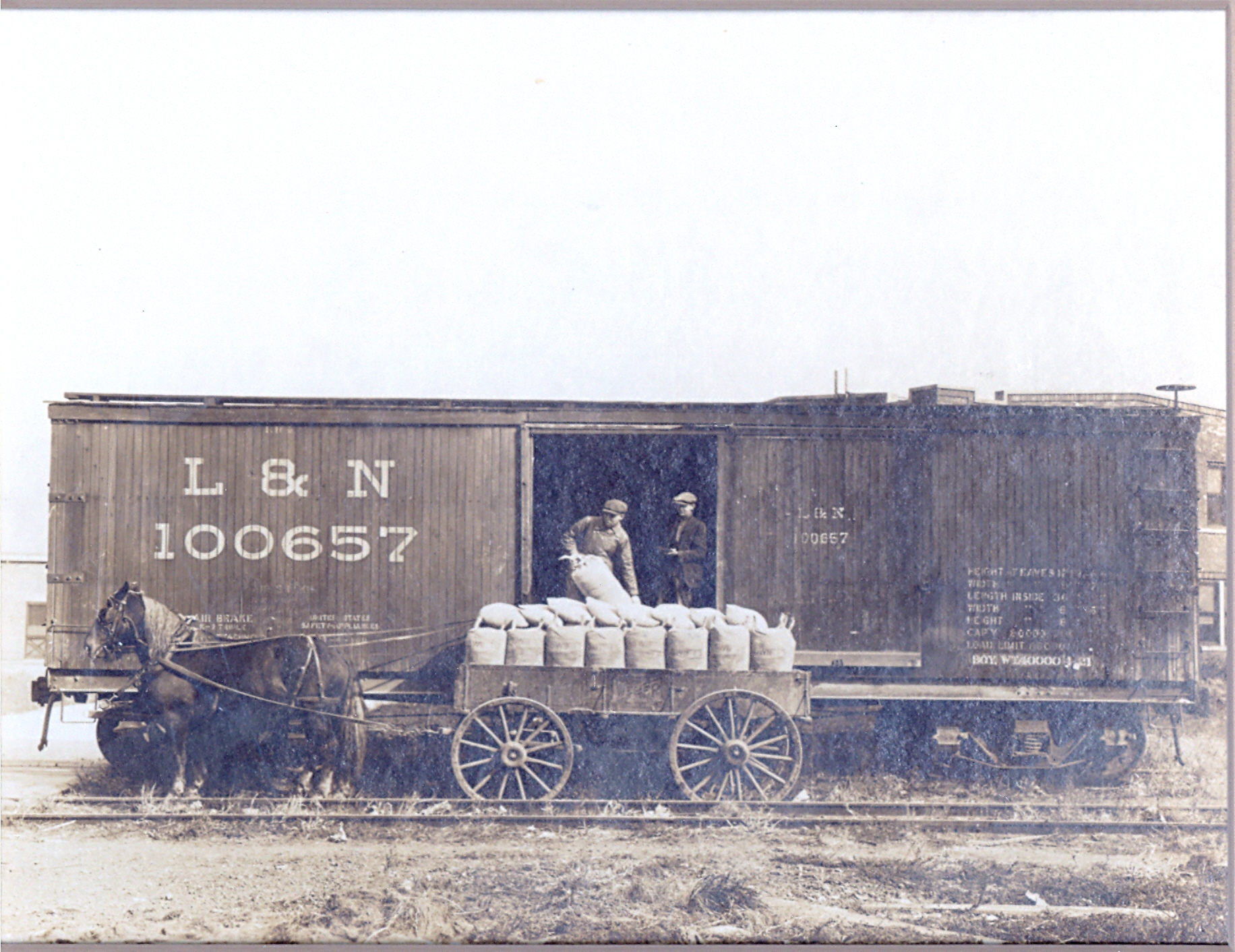
Railroad
Aaron Norton Hart, a publisher from Philadelphia, played a pivotal role in shaping the early history of Dyer. In 1857, he and his wife Martha, whose maiden name was Dyer, relocated to the area, investing both their financial resources and their future in the developing region.
The Harts had four children—three sons, West, Win, and Malcolm, and a daughter, Flora. Mr. Hart purchased approximately 15,000 acres of land from the federal government, property that was then described as “despised swamp lands,” for prices ranging from $0.75 to $1.25 per acre.
Following the Harts’ arrival, many German Catholic immigrants settled in the area, helping transform the land into productive farmland and a thriving community. Among these early families were the Berens, Hilbrichs, Hoffmans, Millers, Nondorfs, Peschels, Scheidts, and Schultes, whose contributions were instrumental in the development and growth of what would become the Town of Dyer.
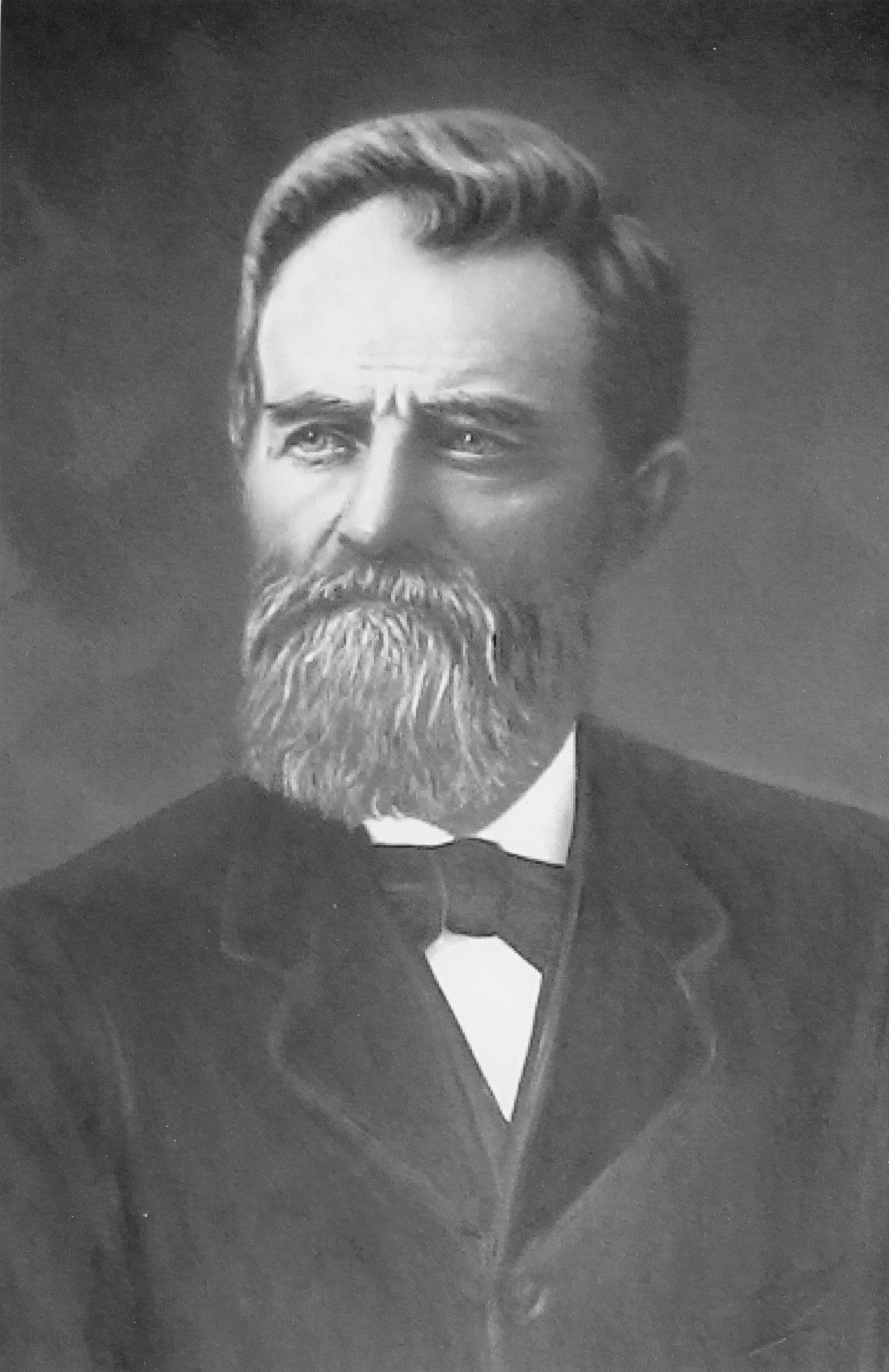
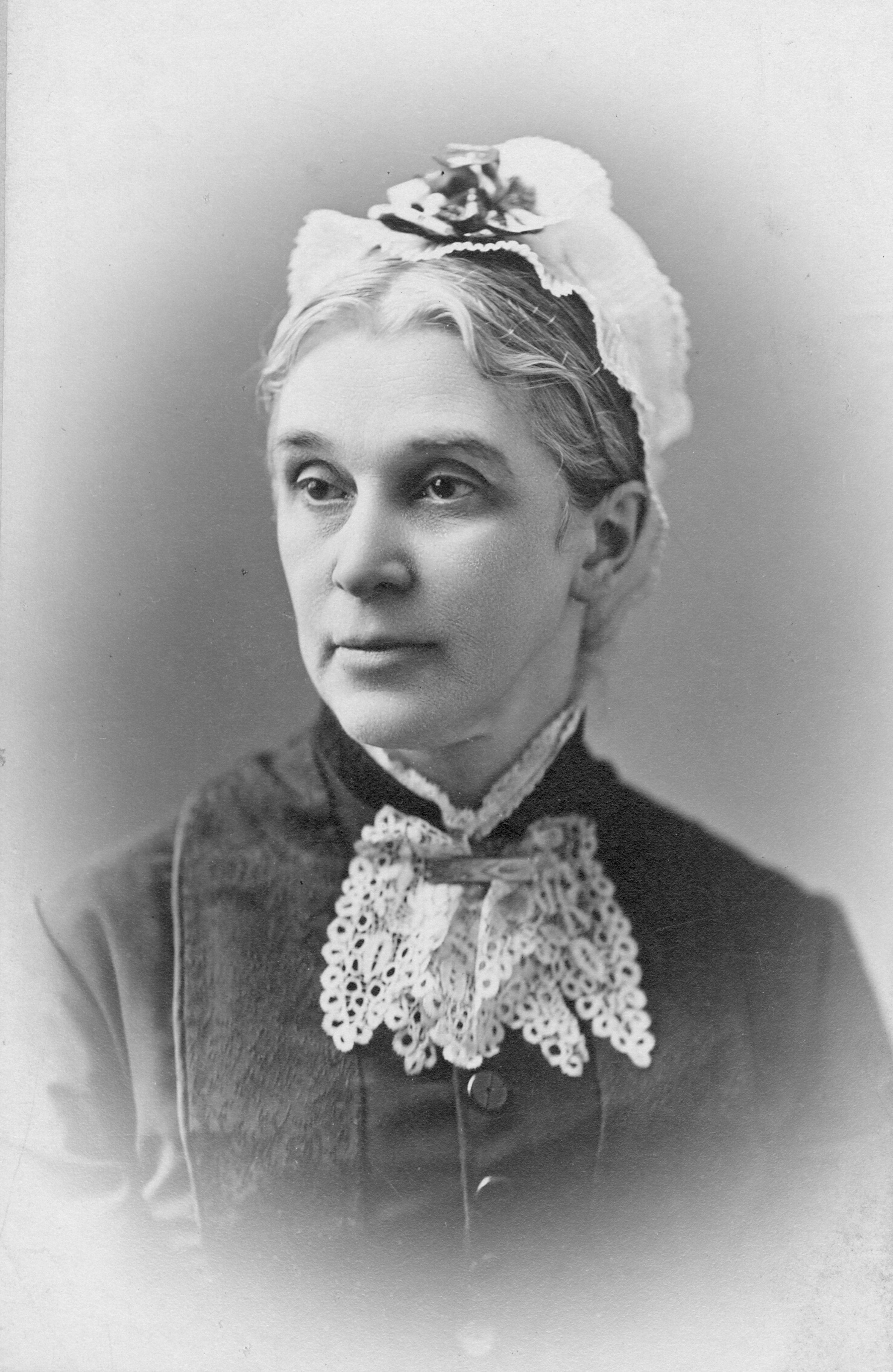
Aaron Hart Martha Hart (Dyer)
Platting of the Town
By 1853, the town had been platted, and District School No. 2 was established as part of the St. John Township School System. The first school was a modest log cabin, serving the educational needs of early settlers.
In 1862, the log cabin was replaced by a permanent schoolhouse built on Hart Street by John Sommer. The structure was constructed at a cost of $150, with an additional $15 allocated for the construction of school benches.
As the community grew, the schoolhouse eventually became too small. By 1875, a one-story, two-room school building was constructed to accommodate the increasing number of students. Each classroom was heated by a large stove that burned wood or coal, reflecting the practical conditions of the era.
From 1876 to 1898, two teachers staffed the Dyer School. Instruction was divided by grade level: Catholic nuns taught the lower grades, while male teachers instructed the upper grades. Reflecting the town’s strong cultural heritage, lessons were taught and recorded in both German and English.
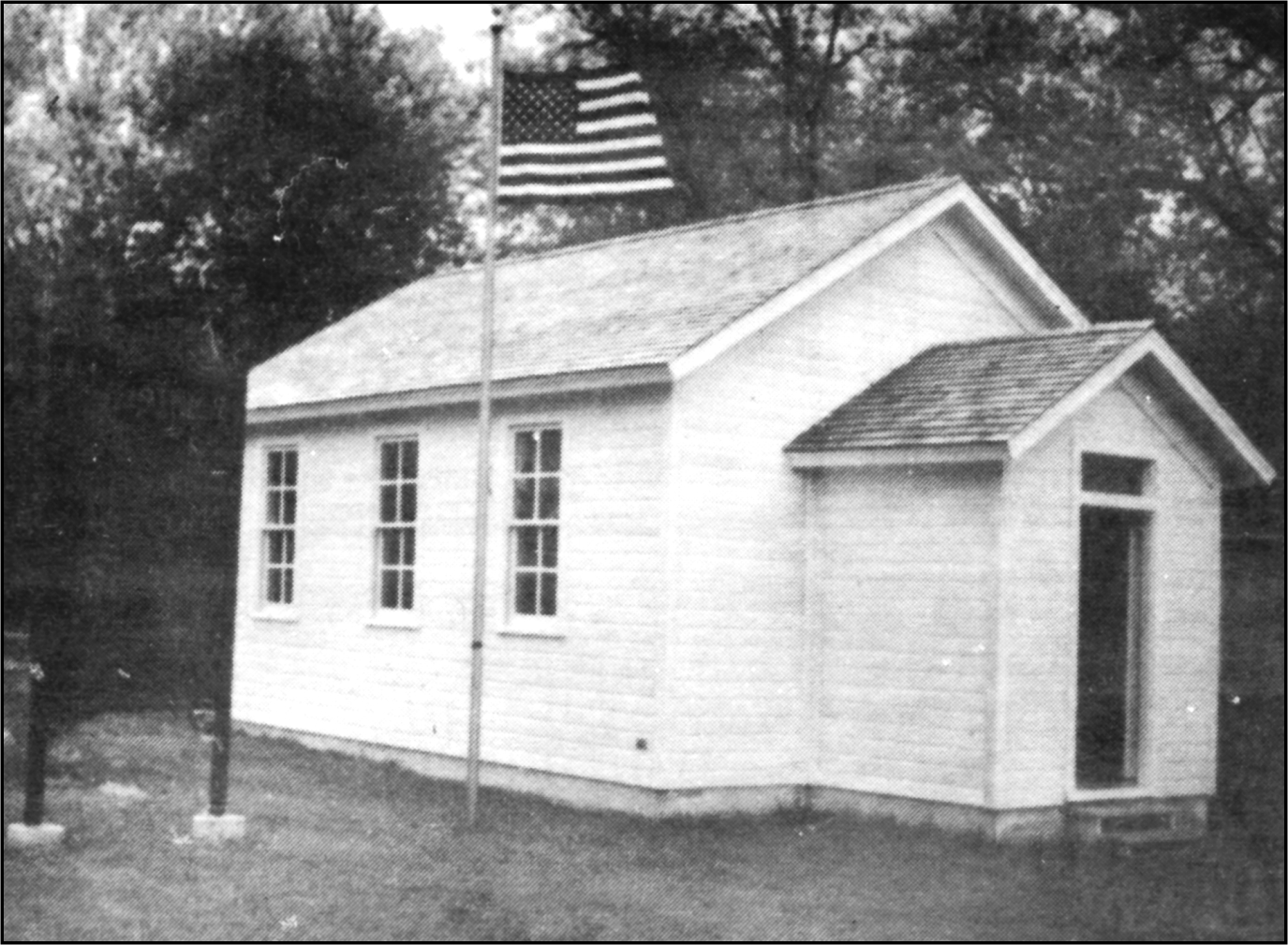
St. John Township School #2
The Hart Farm
Around 1860, Mr. Hart constructed a fifteen-room, colonial-style home that stood at 135 Joliet Street until just a few years ago. He later built a second residence in Hartsdale, located on the Hart farm.
Mr. Hart was a significant landowner and entrepreneur. At one point, he owned fourteen yoke of oxen, two teams of horses, and three teams of mules, which he employed in his expanding road and ditch-digging business. As demand for his work grew, his operation employed as many as forty men at one time.
Mr. Hart played a vital role in managing the region’s water and land. He oversaw the construction of an extensive ditch system designed to control the vast Cady Marsh and a large body of water known as Lake George. With the completion of the Hart Ditch, approximately 20,000 acres of fertile land were reclaimed, transforming what had once been boggy marshland into productive farmland and opening the area to settlement and growth.
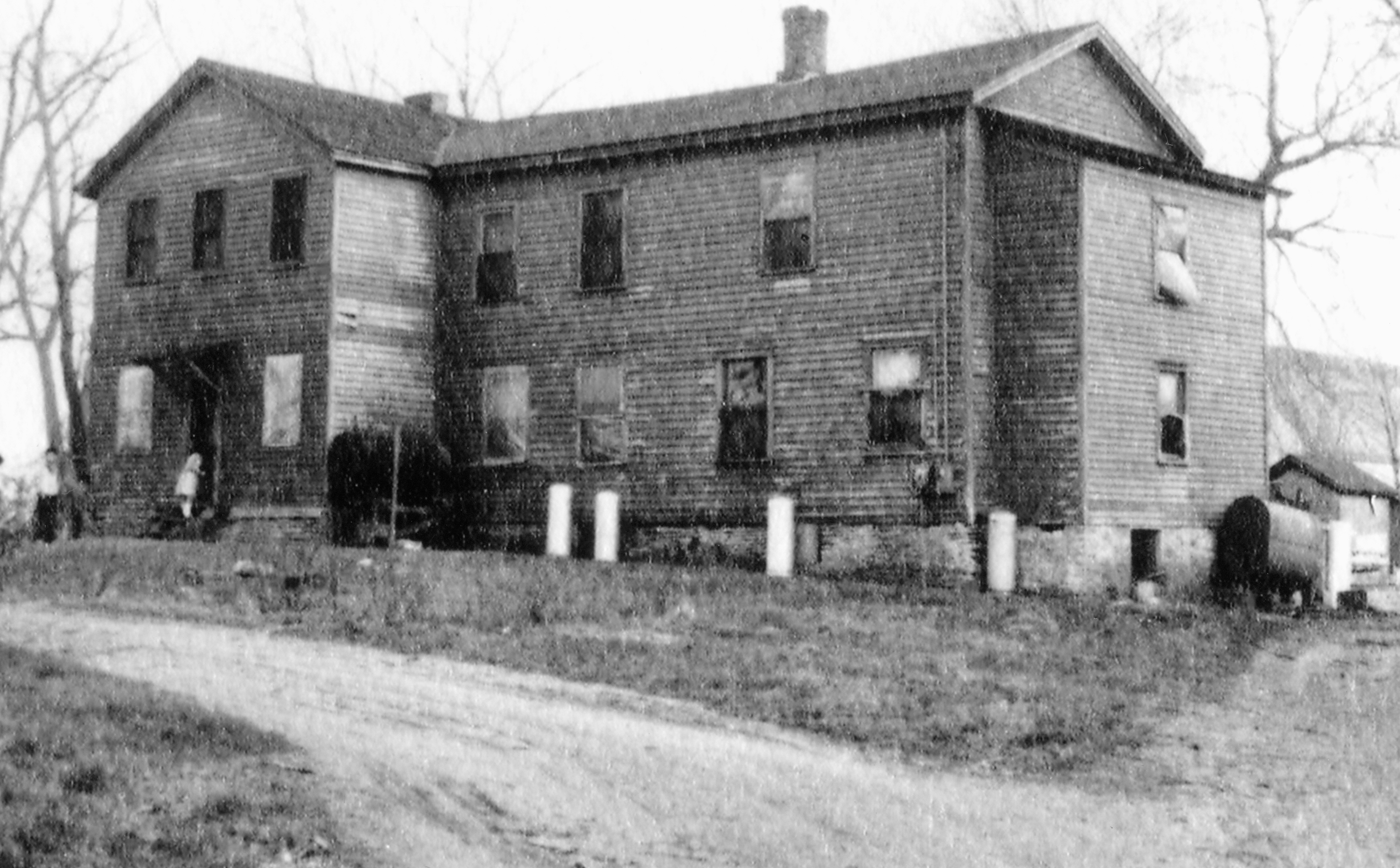
Hartdale Farm
The Introduction of Formal Religion to Dyer
In 1867, Reverend Jacob Schmitz moved to Dyer and became the town’s first resident pastor. He purchased four acres of land on which the first frame church building, St. Joseph’s, was erected at a cost between $4,000 and $5,000. Following a Christmas service in 1902, the original church was tragically destroyed by fire.
Rebuilding efforts were soon led by Father Joseph Flach, who had arrived in the area in 1878. With the support of parishioners, construction began on a new church. The present St. Joseph’s Church was dedicated in 1903 and features a tower rising over 100 feet. Father Flach served the parish until his retirement in 1923.
Dyer’s commercial and professional life expanded steadily during this period. A furniture store was established in 1867, followed by a hardware store opened in 1870 by Joseph Peschel. Medical care was provided by Dr. Hoffman, Dr. A. Seidler, and Dr. J. W. Johns. By this time, the town’s population had grown to approximately 400 residents.
Rail transportation played a significant role in Dyer’s development. By the late 1800s, five different railroads crossed land owned by Aaron Hart, each required to maintain proper drainage along their rights-of-way. Tragedy struck on January 12, 1883, when Mr. Hart was killed while supervising ditch construction after the left bank of a twelve-foot-high embankment collapsed without warning near a bend in Plum Creek.
Religious life continued to diversify. In 1880, Mrs. F. N. Biggs and Mr. George Davis organized the Union Sunday School of Dyer. By 1891, the Dyer Union Protestant Church was established, becoming the first Union Church in the United States.
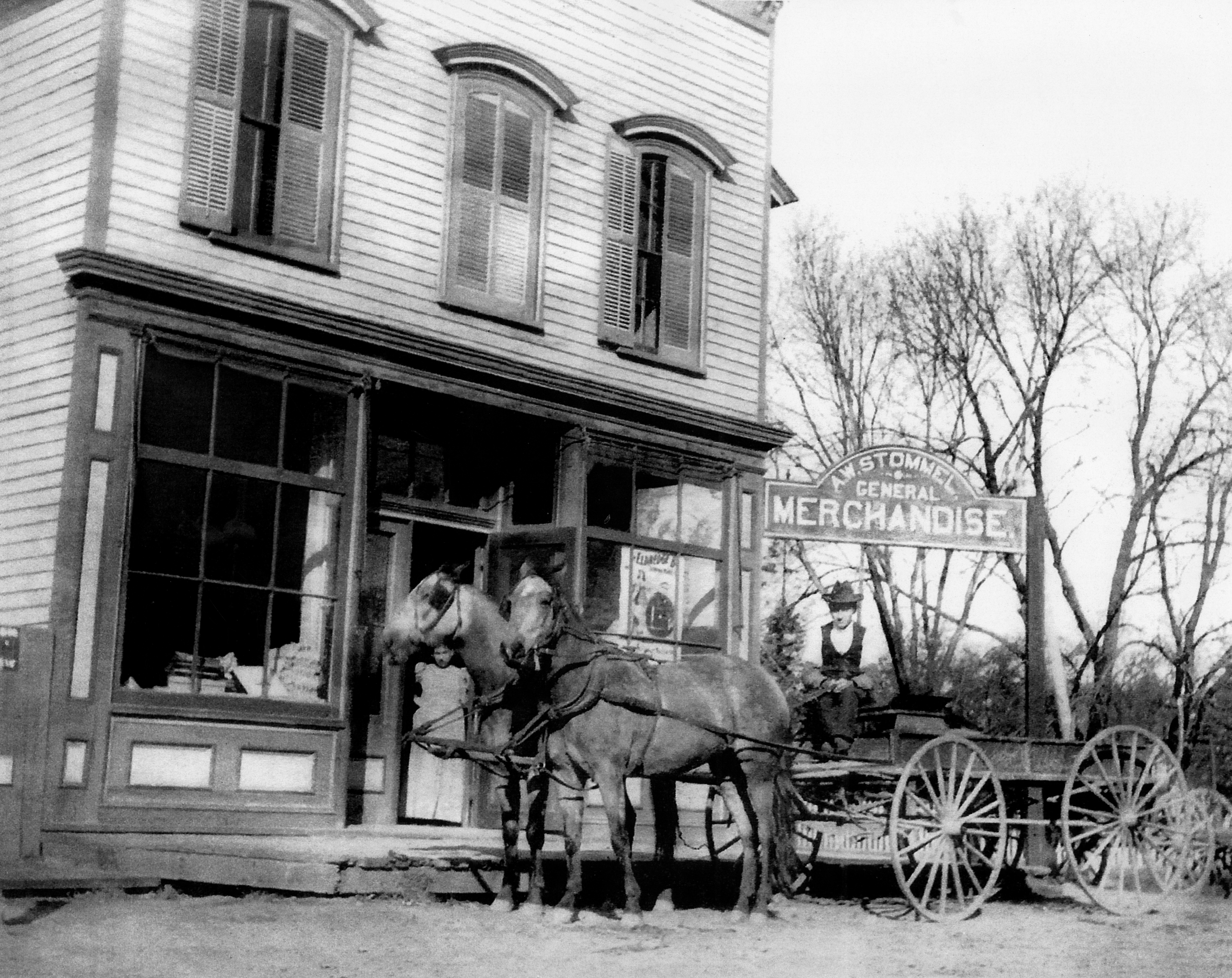
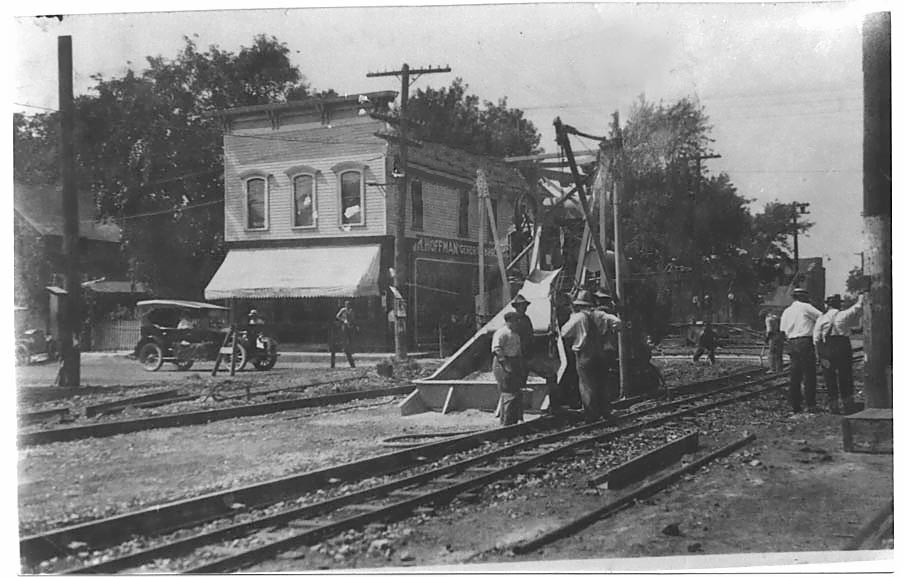
Hardware Store Hoffman Store
St. Joseph's Church
In 1887, the Franciscan Sisters of the Order of the Sacred Heart of Joliet, Illinois, began one of their earliest missions in the area now known as Dyer. Their presence marked a significant step in the development of religious education and community life.
The first convent was constructed in 1901, built simultaneously with the community’s first school. By 1905, the Franciscan Sisters were providing instruction to 87 pupils, reflecting both the growth of the town and the importance placed on education.
Historical records consistently note that St. Joseph’s Church played a dominant role in Dyer’s development. Its influence was so prominent that its imposing steeple was said to reflect that dominance over the surrounding scene, serving as both a spiritual and physical landmark for the growing community.
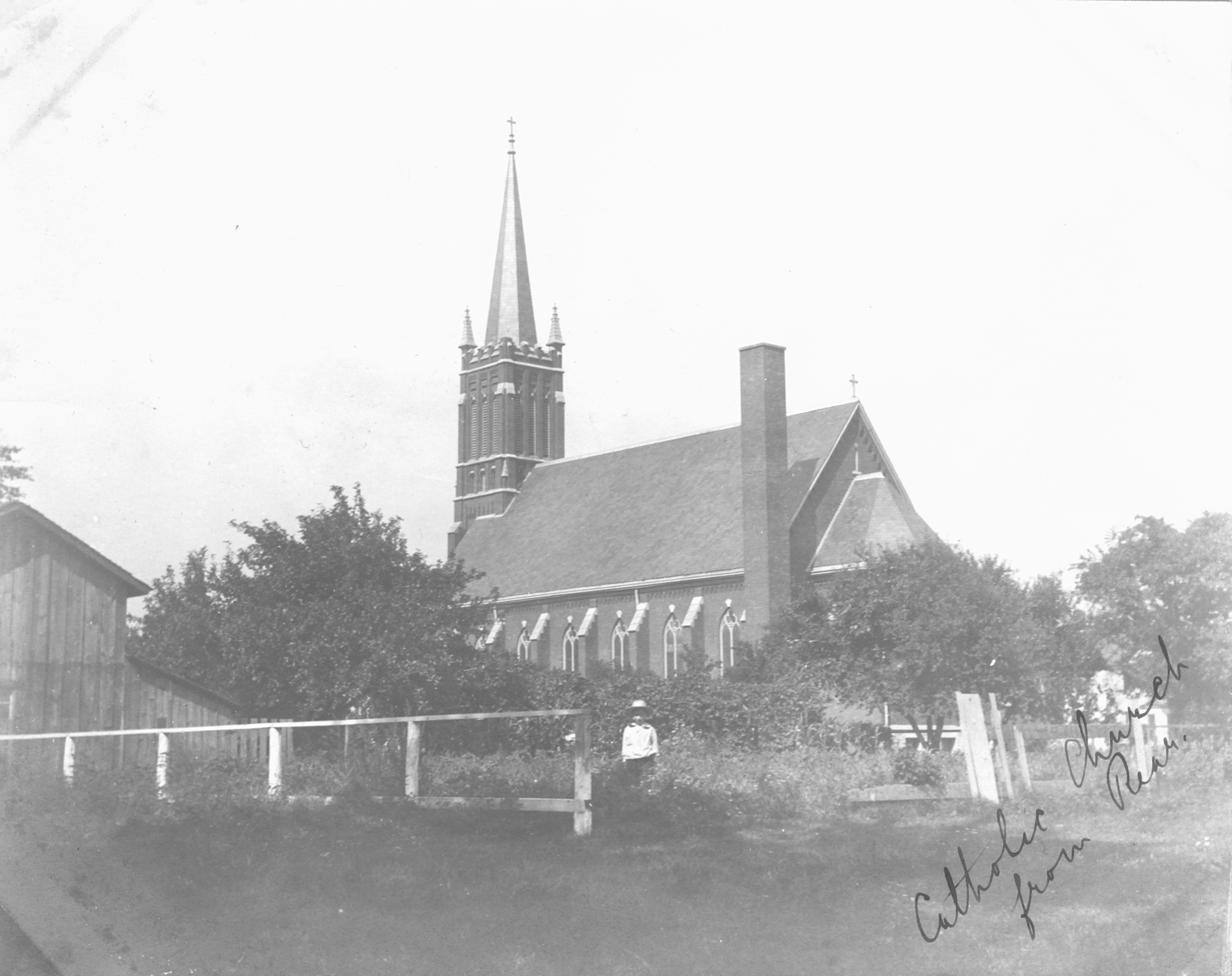
St. Joseph School, 1907
Early 1900's
By the early 1900s, Dyer had developed a thriving local economy supported by a variety of businesses and industries. Jacob Schaeffer established a blacksmith shop, while other enterprises included a creamery on Fagen Street, a pickle and sauerkraut factory on Matteson Street, and a flour mill on Hart Street.
The sauerkraut factory was a significant operation, featuring eight tanks or vats, each capable of holding 125 barrels of kraut. The product was marketed under the brand name Hartman, Kallenberger and Gettler and was distributed throughout the Midwest, placing Dyer on the regional commercial map.
Financial services also took root during this period. In 1903, the First National Bank was established by John L. Keilman, William N. Gettler, John L. Kimmett, Henry L. Keilman, and August Stommel.
Social life in the town reflected the customs of the era. Dyer was home to seven saloons and two grocery stores. Following the town’s incorporation, each saloon paid a $150 town liquor license fee, in addition to the required state license. Every saloon featured a watering trough for horses out front, underscoring the importance of horse-drawn transportation at the time. For just five cents, patrons could purchase a schooner of beer, often accompanied by a free lunch.
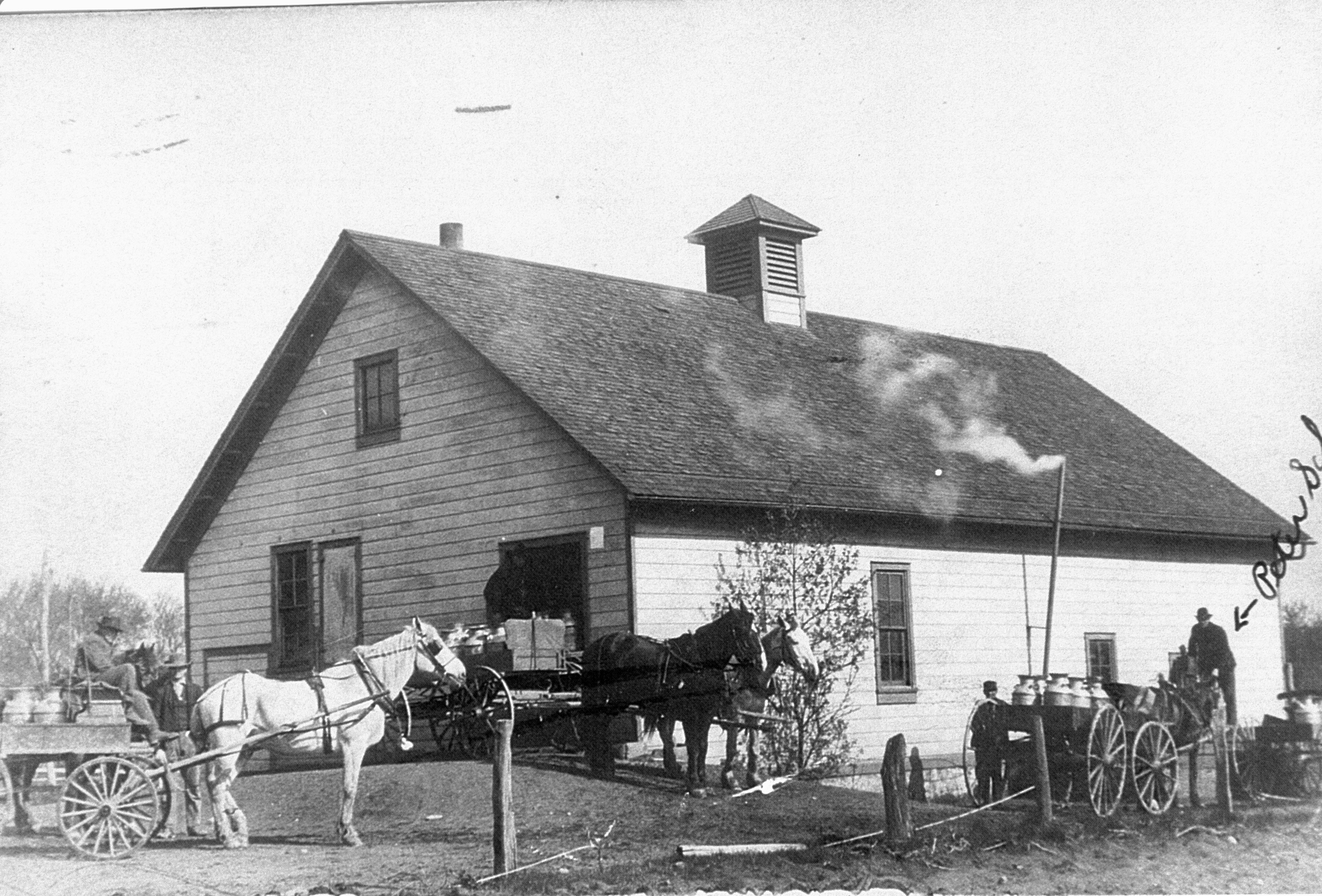
Fagen Street Creamery
Incorporation as a Town
On January 24, 1910, the citizens of Dyer voted 57 to 35 to incorporate as a town under the laws of the State of Indiana. The Town of Dyer was formally incorporated shortly thereafter on February 8, 1910. Incorporation helped address the growing housing needs of Lake County, driven by the rapid expansion of the region’s industrial economy.
Following incorporation, the town was divided into three districts, or wards, allowing for the election of a trustee from each area. The original ward boundaries were established as follows:
-
First Ward: All land within the Town of Dyer lying west of Hart Street
-
Second Ward: All land lying east of Hart Street and south of the Lincoln Highway
-
Third Ward: All land lying north of the Lincoln Highway and east of Hart Street
The first Board of Trustees for the Town of Dyer consisted of:
-
Michael Fagen, First Ward
-
Henry L. Keilman, Second Ward
-
Henry J. Schulte, Third Ward
Trustee salaries were set by ordinance at $30.00 per year, payable quarterly. William N. Gettler was appointed Clerk-Treasurer and received an annual salary of $60.00. He served in this role until 1939, providing nearly three decades of continuity in town administration.
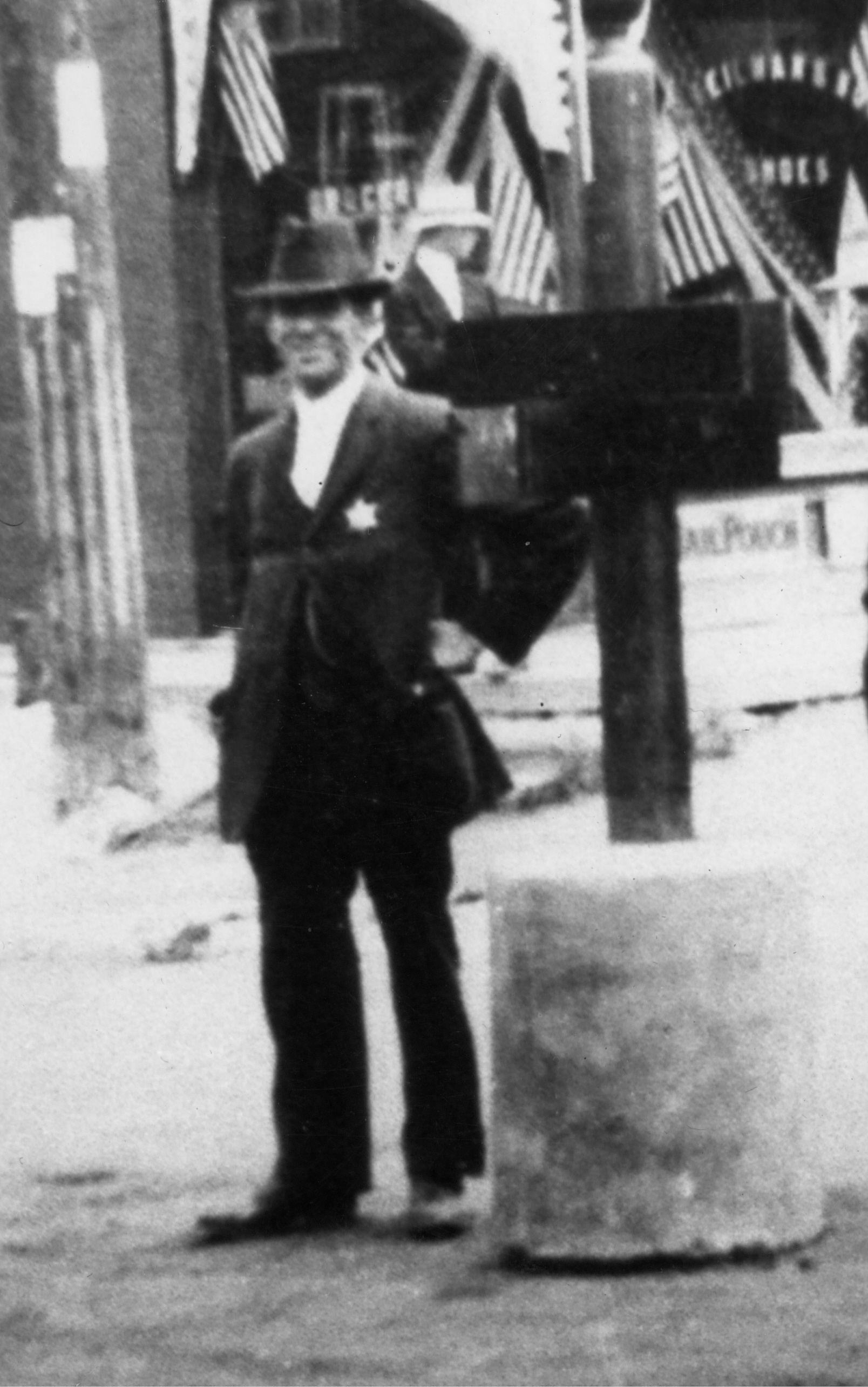
Eugene Stech was appointed as Dyer’s first Town Marshal, earning a monthly salary of $25.00, marking the beginning of organized municipal law enforcement in the town.
Establishment of Water Utilities
In 1915, the Municipal Water Utility was established, marking a significant step in improving public health and fire protection in Dyer. Shortly thereafter, the town organized its Fire Department, originally formed as a Volunteer Fire Department.
The first volunteer fire leadership included Fire Chief John Burge, Assistant Chief Andrew Peschel, Ladder Captain Frank Beiriger, Hose Captain Leo Hoffman, and Secretary-Treasurer Nicholas Austgen. With no dedicated facility to house equipment, Town Marshal Eugene Stech donated the use of his barn to store the fire hose carts, while Joseph Schaller provided space in his horse shed behind the Dyer Hotel for the ladder wagon.
Dyer’s first fire station was constructed in 1916 at a cost of $125.00, providing a permanent home for fire protection services.
Town governance also continued to develop. The first Town Meeting was held on March 10, 1919, in a store building owned by Henry Schulte at 229 Joliet Street. The town paid $2.00 in rent for each meeting held at that location.
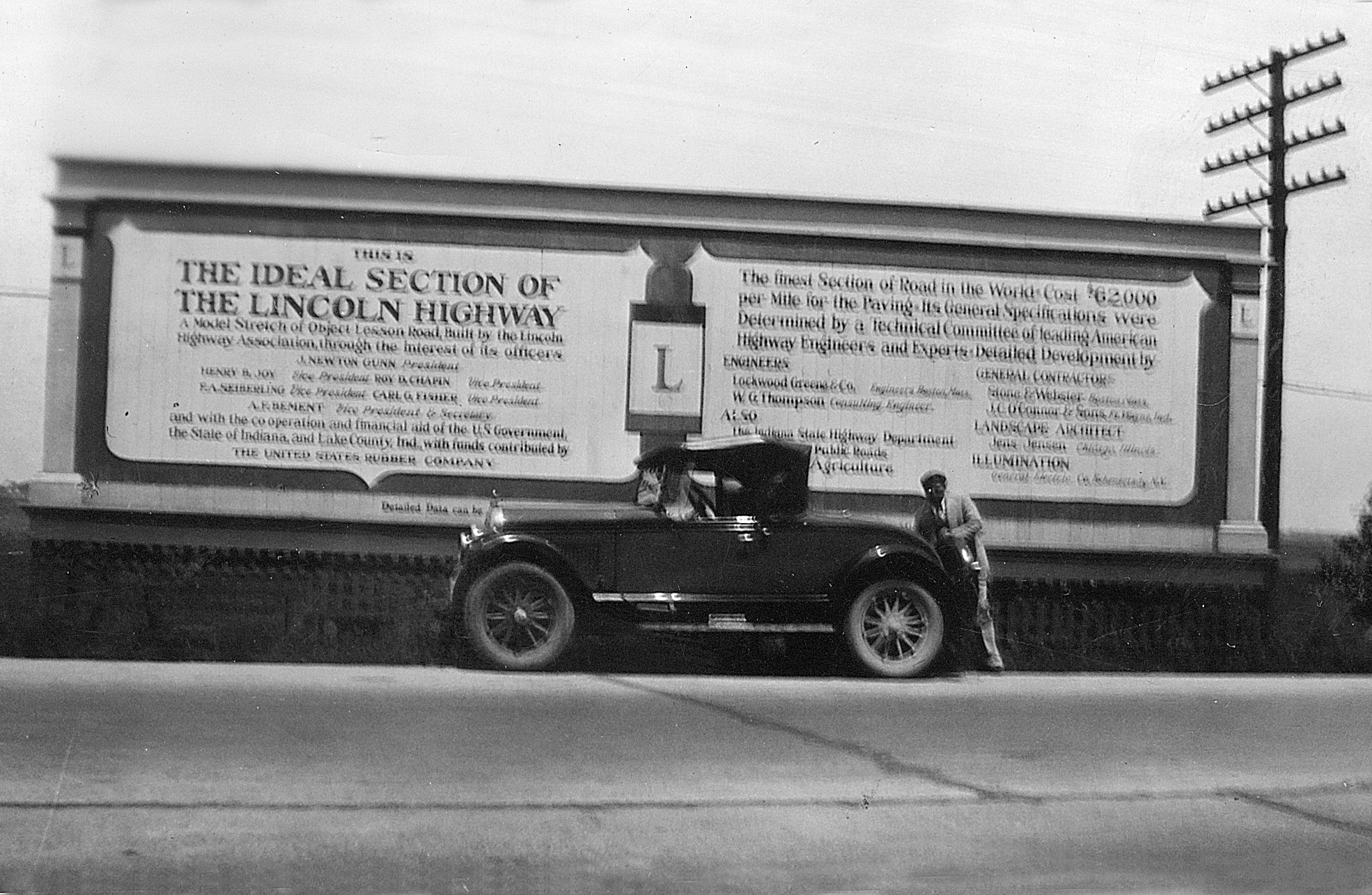
Ideal Section of the Lincoln Highway
Dyer gained national attention in the early 1920s with the construction of an experimental model highway extending three miles from Dyer to Schererville. Known as the “Ideal Section of the Lincoln Highway,” this project was financed jointly by federal, state, and county governments, along with the United States Rubber Company. The experiment proved highly influential, helping establish standards for highway construction throughout the United States and placing Dyer prominently in the nation’s transportation history.
The town’s population grew steadily alongside its expanding infrastructure and residential development. In 1893, Dyer’s population was reported at 250 residents. By 1910, the number had grown to 500, and by 1950, it reached 1,556. Continued development fueled rapid growth in the mid-20th century. With the creation of the Plum Creek Addition and the Plum Creek Annexation, the population increased to 3,993 by 1960.
Further expansion followed. The development of Schilling’s Subdivision brought the population to 4,496 in a special census conducted in 1968, and by 1970, Dyer was home to 4,778 residents. Growth accelerated over the following decades, with 7,396 residents in 1975, 9,555 in 1980, 10,923 in 1990, and 13,895 residents recorded in the 2000 census.
A milestone in daily life occurred in October 1954, when home mail delivery was introduced in the Town of Dyer for the first time, reflecting the community’s transition from a small rural town to a modern suburban municipality.